Community Seed Banks: Strengthening Ghana’s Seed Systems, One Community at a Time
 wahih
wahih
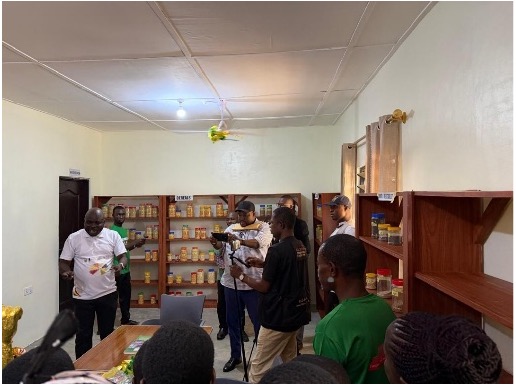
On 26 January 2026, the West Africa Horticulture Innovation Hub joined the people of Abrewankor in the Eastern Region of Ghana to celebrate a major milestone in local seed sovereignty: the launch of the community’s second Community Seed Bank (CSB). Representing the Hub was its Associate Director, Freda E. Asem, PhD, who has been closely engaged with efforts to build resilient, farmer‑centred seed systems across the country.
This new CSB has been established with support from the Embassy of the Kingdom of the Netherlands in Ghana and its partners. Their investment reflects a growing recognition that sustainable food systems start with accessible, diverse, and high‑quality seed. By anchoring seed initiatives at the community level, the Abrewankor CSB is helping to safeguard biodiversity, especially indigenous and underutilized crops that are at risk of being lost, and to ensure that farmers can maintain control over the varieties that matter most to their livelihoods and cultures.
The launch event itself was both insightful and inspiring. Abrewankor is a vibrant, enthusiastic community that is taking ownership of development initiatives rather than simply receiving them. Local leaders, farmers, and youth demonstrated a strong commitment to managing the seed bank, sharing knowledge, and using the platform to drive broader change in their food system. One of the highlights of the day was an exhibition showcasing a rich array of local food crops unique to Abrewankor. This display of diversity underscored exactly why community seed banks are so important: they are living repositories of local genetic resources, culinary heritage, and farmer innovation.
By linking technical partners, development agencies, and community institutions, the Abrewankor Community Seed Bank serves as a model of how partnerships can strengthen seed systems from the ground up. It represents a practical step toward resilient agriculture, improved seed security, and the conservation of Ghana’s invaluable plant genetic resources.

-
Community Seed Banks: Strengthening Ghana’s Seed Systems, One Community at a Time
On 26 January 2026, the West Africa Horticulture Innovation Hub joined the people of Abrewankor in the Eastern...
-
Transforming Horticulture Through Global Partnerships: A Visit to Huazhong Agricultural University (HZAU)
From 13–17 December 2025, Dr Naalamle Amissah, PhD, and Freda E. Asem, PhD, visited Prof. Huang Yuan to explore...

